
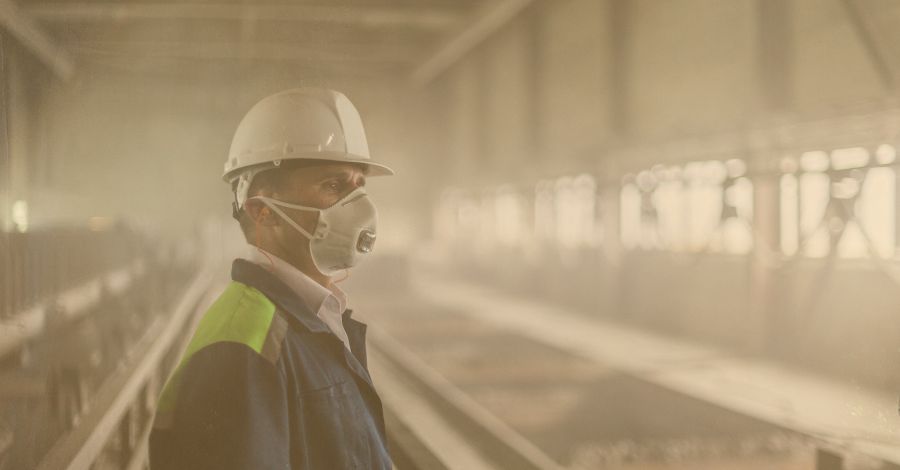
This danger varies depending on the type of dust, the amount of dust inhaled, the size of the particles and how well your lungs can remove the dusts.
Inhaling dust over many years can cause:
Resposta rapida
How to Protect Yourself from Dust at Work – Safety Toolbox Talk: Identify controls: Para How to Protect Yourself from Dust at Work – Safety Toolbox Talk: Identify controls, comece pelo objetivo, revise os pontos criticos e use a tabela como checklist antes de executar.
Resumo em tabela
| Aspecto | Como aplicar | Por que importa |
|---|---|---|
| Objetivo | Entender o que precisa ser feito antes de agir. | Evita aplicacao fora de contexto. |
| Criterio | Separar pontos de atencao, requisitos e limites. | Ajuda a tomar decisoes mais consistentes. |
| Execucao | Aplicar em etapas e registrar o que foi feito. | Reduz erros e facilita revisao. |
| Revisao | Conferir resultado e corrigir desvios. | Mantem o conteudo util no uso real. |
- Fibrosis (hardening of the lungs, making breathing difficult)
- Cancer of the lung, abdomen and nose.
- Even inhaling dust for a few days or months can cause nervous system effects and allergic reactions such as fever or more severe reactions such as asthma.
Identify controls
Prevent dusts from entering the air,
- spray water on the workpiece before cutting, spilling material, etc.
- spray water on the floor before sweeping. If wet sweeping is not possible, use a vacuum.
- using a dust collector for tools or equipment if available.
Consider different ways of doing the job that will reduce the amount of dust created. For example, you could:
- use low speed grinders instead of high speed ones
- order blocks in multiple sizes to minimize the need for cutting
- use pre-mixed cement or mortar
- reduce the distance where material is dropped or thrown when dumping, or removing dusty materials
- stand in opposition to the direction of the cloud of dusts.
Prevent dust build-up by cleaning the work area frequently during the shift using a wet sweeping method or a vacuum.
Wash your hands before eating, drinking or smoking and at the end of your shift.
Ventilate the area when doing tasks that create dust. Also, keep other people away from the area when these tasks are being performed.
Use personal protective equipment when it is not possible to prevent dusts from becoming airborne. Refer to the Safety Data Sheet (SDS) for the product collecting.
Conclusion – Dust
Demonstrate how to use dusts collection equipment on tools or machines.
Review company rules and procedures regarding respirators.
Review the information in the SDS with your team.
Perguntas frequentes
Para quem este guia e indicado?
Para quem precisa de uma explicacao pratica, organizada e facil de consultar antes de aplicar o tema.
Como usar melhor este conteudo?
Comece pela resposta rapida e pela tabela, depois leia as secoes de detalhes e perguntas frequentes.
Posso adaptar as orientacoes?
Sim, desde que a adaptacao preserve o objetivo, os criterios e os cuidados principais apresentados.
Leia tambem
- Toolbox Talk – Noise Control at Work: Why Your Hearing is Worth More Than Gold
- Toolbox Talk – Safety with Power Tools: How Not to Become a Work Statistic
- Toolbox Talk – The Great Battle of Masks: PFF2, N95, KN95 – What’s the Real Difference?
- Safety Toolbox Talk – Form F-SMS-001: The Essential Tool for Safety Training Control
- Guias e Temas Principais
Guia central: veja tambem Guias e Temas Principais.

Conteudos relacionados

Workplace health Guide: Practical Steps for Safety
This article was created to strengthen the Safety category and expand the editorial coverage of workplace safety, health…

Toolbox talk Plan: Controls, Records and Follow-up
This article was created to strengthen the Safety category and expand the editorial coverage of workplace safety, health…

Emergency response Toolbox Guide for Supervisors and Teams
This article was created to strengthen the Safety category and expand the editorial coverage of workplace safety, health…

Risk assessment Checklist: What to Verify Before You Start
This article was created to strengthen the Safety category and expand the editorial coverage of workplace safety, health…