
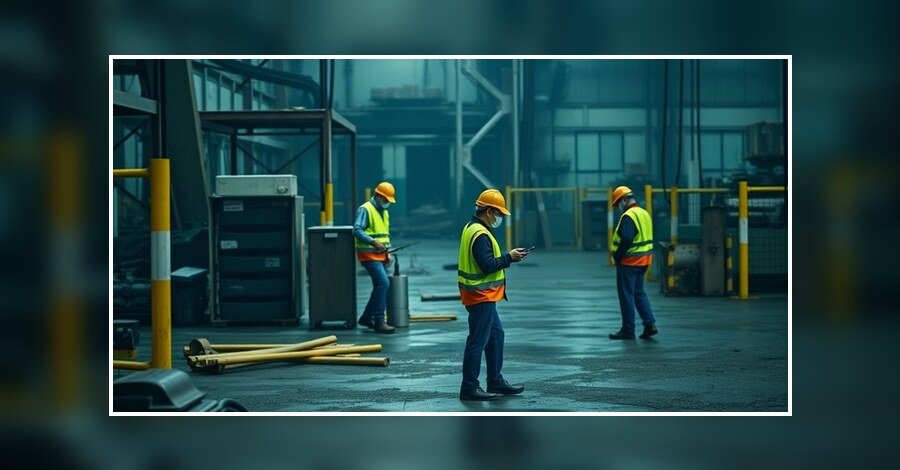
Wasting isn’t just about lost money
Waste daily talks are about combining workplace safety with efficiency — because wasting material, energy, or time is often a sign that something in the process isn’t well controlled.
The most common types of waste
- Material: using more input than actually needed.
- Energy: equipment running without real need.
- Time: rework caused by a poorly done procedure.
Why waste is also a risk signal
A poorly controlled process that generates waste also tends to hide an operational risk that hasn’t yet been identified.
What’s worth bringing up in this conversation
Any waste noticed in that day’s activity, the root cause of a recurring inefficiency, and how to reduce waste without giving up safety.
The gain is twofold
Companies that treat waste as an inefficiency signal usually have better safety performance too — both reflect the process’s quality.