What PPE actually means
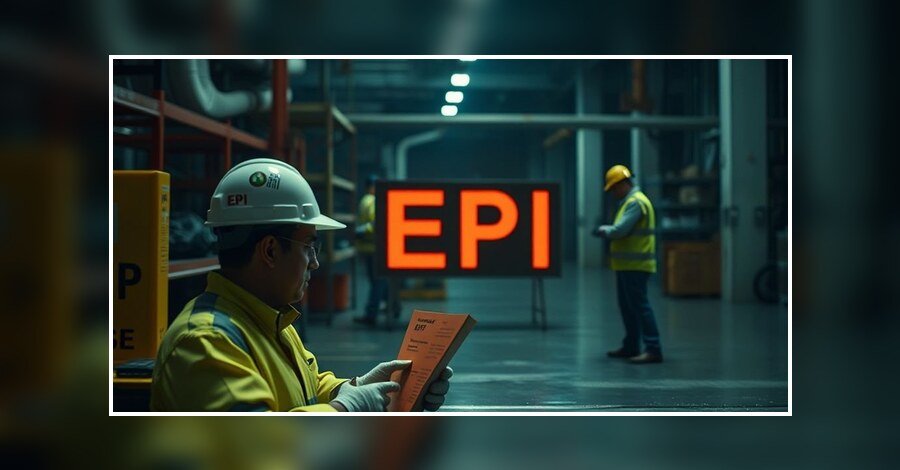
PPE stands for Personal Protective Equipment — the gear a worker wears to stay between themselves and whatever could hurt them on the job: a falling object, a chemical splash, a spark, a loud machine running all shift long. It’s not paperwork. It’s the last line of defense when everything else has already failed to remove the hazard.
Whose job is it to provide it?
The employer supplies the right PPE for the task, at no cost to the worker, and keeps it in working condition. The worker’s part of the deal is just as important: actually wearing it, using it correctly, and reporting it the moment it’s damaged. One side without the other doesn’t protect anyone.
The everyday essentials
- Hard hat: protects against impact and falling objects — non-negotiable on any active site.
- Safety glasses: keep dust, sparks, and chemical splashes out of your eyes.
- Gloves: your first barrier against cuts, heat, and chemical exposure.
- Hearing protection: noise damage doesn’t hurt today — it shows up years later.
A habit worth building
Before putting on any piece of PPE, take three seconds: is it torn, expired, or too dirty to work properly? That quick check prevents a problem that can follow you for the rest of your life. If your gear isn’t protecting you the way it should, say something — replacing it is fast; recovering from an injury is not.
The bottom line
Wearing PPE isn’t about checking a box. It’s about walking out of work the same way you walked in.