Why construction sites carry so much risk
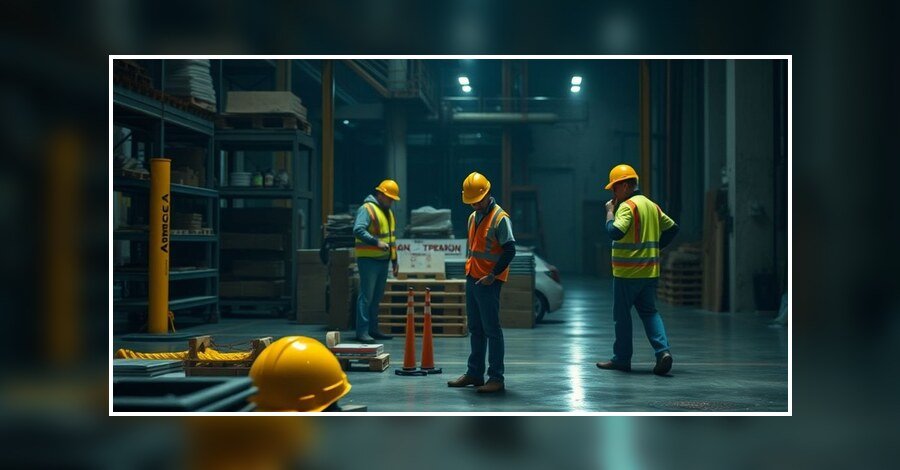
It’s no accident that construction ranks among the industries with the highest workplace injury rates. Height, heavy equipment, exposed electrical work, constant foot traffic — combine all of that and it demands real attention, not a hard hat thrown on as an afterthought.
The plan that can’t be skipped
Any construction site above a certain worker count needs a written safety plan in place before the first brick is laid — not after someone already got hurt. That plan defines how every risky phase will run: scaffolding, excavation, temporary electrical, all of it.
Where the risk shows up most
- Height: slabs, roofs, scaffolding — this means harnesses and solid anchor points, never “it’ll probably be fine.”
- Trenches and excavations: looks harmless until it collapses on someone.
- Suspended loads: cranes require a trained signal person and a genuinely isolated work zone.
- Temporary electrical: a lot of people assume “temporary” means “doesn’t need to be done right.” It’s the opposite.
Who’s watching?
It’s the safety technician’s job to track daily conditions, but everyone on site shares responsibility. Spotting a hazard and staying quiet about it is nearly as dangerous as creating the hazard in the first place.
Bottom line
A site moving fast is good for the schedule. A site moving fast without safety in place is an accident waiting to happen.