
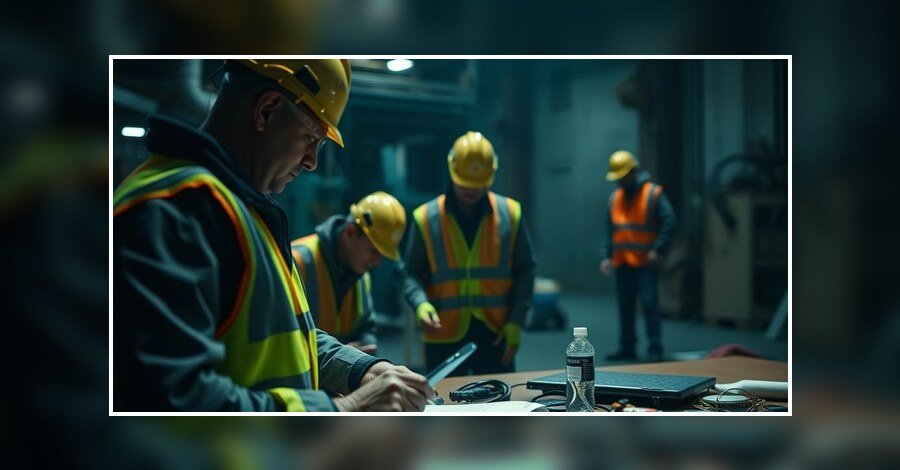
Just describing the accident isn’t enough
Saying “someone got hurt doing this” teaches very little. What actually helps the team is understanding WHY it happened — the real cause, not just the surface of the event.
Digging down to the real cause
- What happened at the exact moment of the accident?
- What allowed that to happen? (bad tool, rushing, lack of training)
- Why didn’t the organization prevent this before it happened?
Watch out for the easy answer
“The person was careless” is almost always an incomplete answer. Nearly every accident has a chain of factors behind it — a tight deadline, the wrong tool, a poorly explained procedure. Stopping at “human error” keeps the team from actually learning anything.
End with a concrete change
There’s no point digging deep into an analysis and then changing nothing in practice. Every talk like this should end with: “because of this, starting now we’re going to do it differently — here’s how.”
That’s what turns a mistake into real learning
A team that understands the root cause of an accident has a far better chance of preventing the next one than a team that just heard “be more careful.”