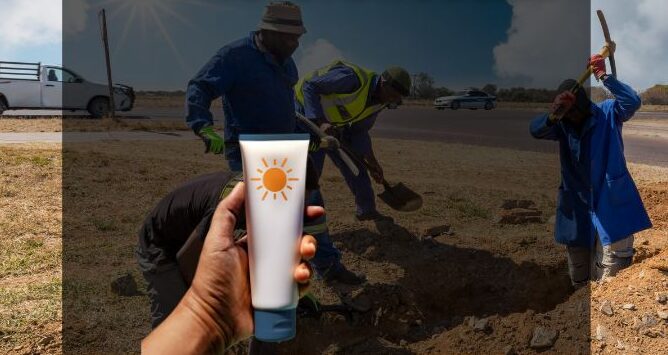
Sun Protection – Safety Talks. At some point, we have all been sunburned.
Resposta rapida
Sun Protection: Identify controls – Sun Protection – Safety Talks: Para Sun Protection: Identify controls – Sun Protection – Safety Talks, comece pelo objetivo, revise os pontos criticos e use a tabela como checklist antes de executar.
Resumo em tabela
| Aspecto | Como aplicar | Por que importa |
|---|---|---|
| Objetivo | Entender o que precisa ser feito antes de agir. | Evita aplicacao fora de contexto. |
| Criterio | Separar pontos de atencao, requisitos e limites. | Ajuda a tomar decisoes mais consistentes. |
| Execucao | Aplicar em etapas e registrar o que foi feito. | Reduz erros e facilita revisao. |
| Revisao | Conferir resultado e corrigir desvios. | Mantem o conteudo util no uso real. |
Sunburn is the effect of ultraviolet (UV) radiation on the skin. Ultraviolet light falls on us every day. But now there is less protective ozone in the atmosphere and the risk of exposure has increased. UV rays are more powerful than visible light rays.
They are so powerful that they can cause cancer.
Sunlight is the main source of ultraviolet radiation known to damage the skin and cause skin cancer.
Exposure to ultraviolet radiation from the sun is a highly preventable cause of skin cancer.
The more time you spend in the sun without UV protection, the higher your risk of developing skin cancer.
Melanoma is the least common but most dangerous type of skin cancer. The incidence of
melanoma in men is increasing faster than all other types of cancer.
The death rate from malignant melanoma is also increasing, particularly in middle-aged men.
In addition to cancer, ultraviolet radiation can cause cataracts, other eye damage, and premature aging of the skin during childbirth.
When you work in the sun, especially in the spring and summer, you need to minimize the dangers of UV exposure.
Identify controls – Sun Protection
- Wear a long shirt and pants to cover most of your skin. The tightly woven material will offer
more protection Wet clothing loses part of its ability to block the sun’s rays. - Protect exposed skin with sunscreen.
Don’t forget your ears and the back of your neck. Use an SPF of 30 or higher and apply
20 to 30 minutes before going out into the sun. - Reapply sunscreen every two hours or as often as recommended by the manufacturer.
The more you sweat, the more often you need to reapply. - Use a UV blocking lip balm and reapply every two hours. Skin cancer can develop on the lips.
- Protect your eyes. Wear ultraviolet-absorbing safety glasses (eg, CSA-approved polycarbonate lenses).goggles) or safety sunglasses. Even clear safety glasses will decrease your UV exposure.
- Find a shady area for your breaks and lunch.
- Avoid contact with substances known to cause photosensitization, such as coal tar.
- SPF stands for Sun Protection Factor. Multiply the SPF by 10 to find out how many minutes you can spend in the sun without burning.
- Check your skin regularly for unusual changes, such as a patch on the skin that is
change size, shape, or color. - Sunlight does not have to be direct to cause damage. Light reflects off surfaces like
sand, water, concrete, and snow also cause UV exposure. - Sunscreen should be standard equipment for anyone who works outdoors during the spring and summer months. Keep a bottle handy in your toolbox.
Did you know
Weather reports now include a UV index.
This gives you an idea of how intense the UV radiation will be under a clear sun or light cloud.
When the index is high (7 or higher), you can get sunburned in just 15 to 20 minutes. He
the highest exposure is from noon to 2 pm.
Demonstrate
Pass around a bottle or tube of sunscreen (30 SPF or higher) and ask the crew to apply it to exposed skin.
Ask them about any risk factors they have for developing skin cancer. These include:
- Fair skin that burns easily
- Blistering sunburns in childhood and adolescence
- Family history of melanoma
- Lots of freckles and moles on the skin.

Perguntas frequentes
Para quem este guia e indicado?
Para quem precisa de uma explicacao pratica, organizada e facil de consultar antes de aplicar o tema.
Como usar melhor este conteudo?
Comece pela resposta rapida e pela tabela, depois leia as secoes de detalhes e perguntas frequentes.
Posso adaptar as orientacoes?
Sim, desde que a adaptacao preserve o objetivo, os criterios e os cuidados principais apresentados.
Leia tambem
- Toolbox Talk – Noise Control at Work: Why Your Hearing is Worth More Than Gold
- Toolbox Talk – Safety with Power Tools: How Not to Become a Work Statistic
- Toolbox Talk – The Great Battle of Masks: PFF2, N95, KN95 – What’s the Real Difference?
- Safety Toolbox Talk – Form F-SMS-001: The Essential Tool for Safety Training Control
- Guias e Temas Principais
Guia central: veja tambem Guias e Temas Principais.

Conteudos relacionados

Workplace health Guide: Practical Steps for Safety
This article was created to strengthen the Safety category and expand the editorial coverage of workplace safety, health…
Toolbox talk Plan: Controls, Records and Follow-up
This article was created to strengthen the Safety category and expand the editorial coverage of workplace safety, health…

Emergency response Toolbox Guide for Supervisors and Teams
This article was created to strengthen the Safety category and expand the editorial coverage of workplace safety, health…

Risk assessment Checklist: What to Verify Before You Start
This article was created to strengthen the Safety category and expand the editorial coverage of workplace safety, health…