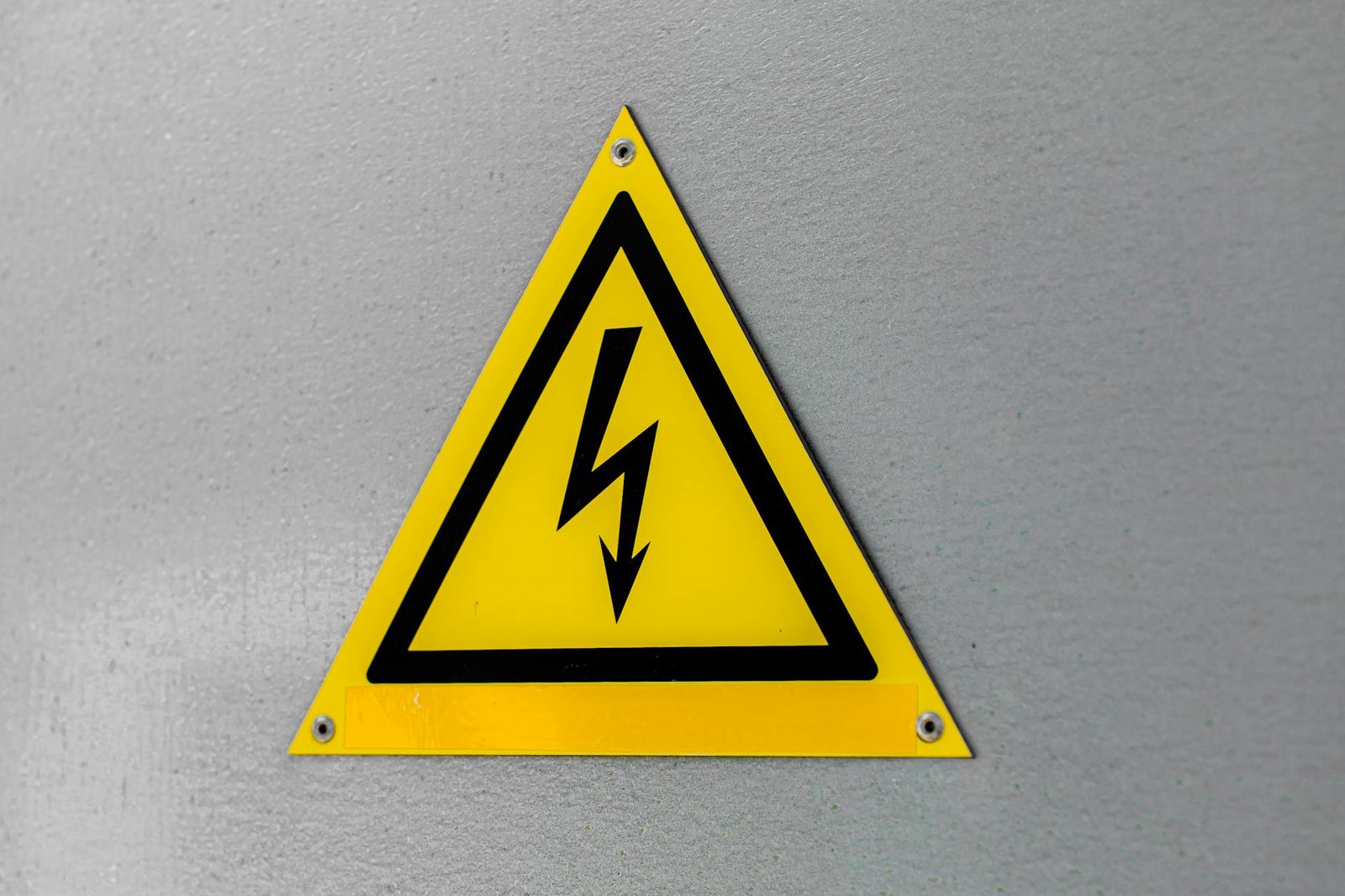
May is National Electrical Safety Month in the United States, a period led by the Electrical Safety Foundation International (ESFI) to raise awareness about electrical hazards in workplaces and homes. In 2026, electrical accidents remain one of the leading causes of workplace fatalities — yet most are entirely preventable. This guide gives safety professionals and workers a comprehensive overview of electrical hazard prevention.
Why Electrical Safety Month Matters
According to OSHA and the Bureau of Labor Statistics, electrical incidents cause approximately 150-200 fatalities and thousands of non-fatal injuries in U.S. workplaces annually. Globally, the numbers are significantly higher. The construction industry accounts for the largest share — electrocution is one of OSHA’s “Fatal Four,” the leading causes of construction worker deaths.
The good news: virtually every electrical fatality is preventable. Awareness, proper training, and adherence to established safety standards are the keys.
Understanding Electrical Hazards
Shock
Electric shock occurs when a person becomes part of an electrical circuit. The severity depends on the current level, path through the body, and duration of contact. Even relatively low voltages (as low as 50V AC) can be lethal under the right conditions. Current passing through the chest can cause cardiac fibrillation; current through the head can cause unconsciousness or brain damage.
Arc Flash
An arc flash is a dangerous release of energy caused by an electric arc. Temperatures can reach 35,000°F (19,400°C) — hotter than the surface of the sun — and generate a pressure wave, intense UV light, and flying molten metal. Arc flash incidents are particularly dangerous because they happen in milliseconds, with no time to react.
Fire
Electrical fires account for approximately 51,000 fires in the U.S. annually, causing around 500 deaths and $1.3 billion in property damage. Overloaded circuits, faulty wiring, damaged insulation, and improper use of extension cords are primary causes.
Key Electrical Safety Standards
Safety professionals should be familiar with:
- NFPA 70E: Standard for Electrical Safety in the Workplace — the primary U.S. standard for electrical safety practices
- OSHA 29 CFR 1910.303-399: General industry electrical standards
- OSHA 29 CFR 1926.400-449: Construction industry electrical standards
- NFPA 70 (NEC): National Electrical Code — installation standards
Electrical Safety Best Practices for Workers
Lockout/Tagout (LOTO)
LOTO procedures ensure that equipment is properly shut down and unable to start before maintenance or service work begins. It is the most critical electrical safety practice for preventing contact with energized systems. Every worker who might be exposed to stored electrical energy must be trained on LOTO procedures and follow them without exception.
Personal Protective Equipment (PPE)
Appropriate electrical PPE depends on the arc flash hazard assessment for the specific work task. This includes arc-rated clothing, face shields, insulating gloves tested to the appropriate voltage class, and rubber-insulating blankets and covers for energized parts.
Assured Equipment Grounding Conductor Program
All portable tools and equipment must be properly grounded or double-insulated. Ground Fault Circuit Interrupters (GFCIs) must be used in wet or damp locations and at construction sites. GFCIs detect ground faults and trip in as little as 1/40th of a second — fast enough to prevent fatal shock in most cases.
Electrical Safety Toolbox Talk Ideas for May
Use these topics for daily safety briefings throughout Electrical Safety Month:
- Week 1: Electrical hazard recognition — identifying risks in your workplace
- Week 2: LOTO procedures — step-by-step review with hands-on demonstration
- Week 3: PPE for electrical work — selection, inspection, and care
- Week 4: Emergency response — what to do when an electrical incident occurs
Electrical Incident Emergency Response
If a coworker suffers an electric shock:
- Do NOT touch the victim if still in contact with the electrical source — you will become a victim too
- Shut off the power source immediately if you can do so safely
- Call emergency services (911)
- If the person is unresponsive and not breathing, begin CPR if trained
- Treat for shock — keep the person warm and still until help arrives
Electrical Safety at Home: Extend the Message
Electrical Safety Month extends beyond the workplace. Encourage workers to apply these principles at home: never overload outlets, replace damaged cords immediately, keep electrical appliances away from water, and test smoke detectors monthly.
Conclusion
Electrical Safety Month is a call to action. Use May as an opportunity to audit your electrical safety program, refresh worker training, inspect PPE, and reinforce the LOTO culture in your organization. Every electrical fatality is a preventable tragedy — and the safety professional who prevents even one has made an immeasurable difference.
Artigos Relacionados

1 Comentário
Great guide! We used this as a reference for our safety training this month. The section on lockout/tagout procedures was especially helpful for our team.